
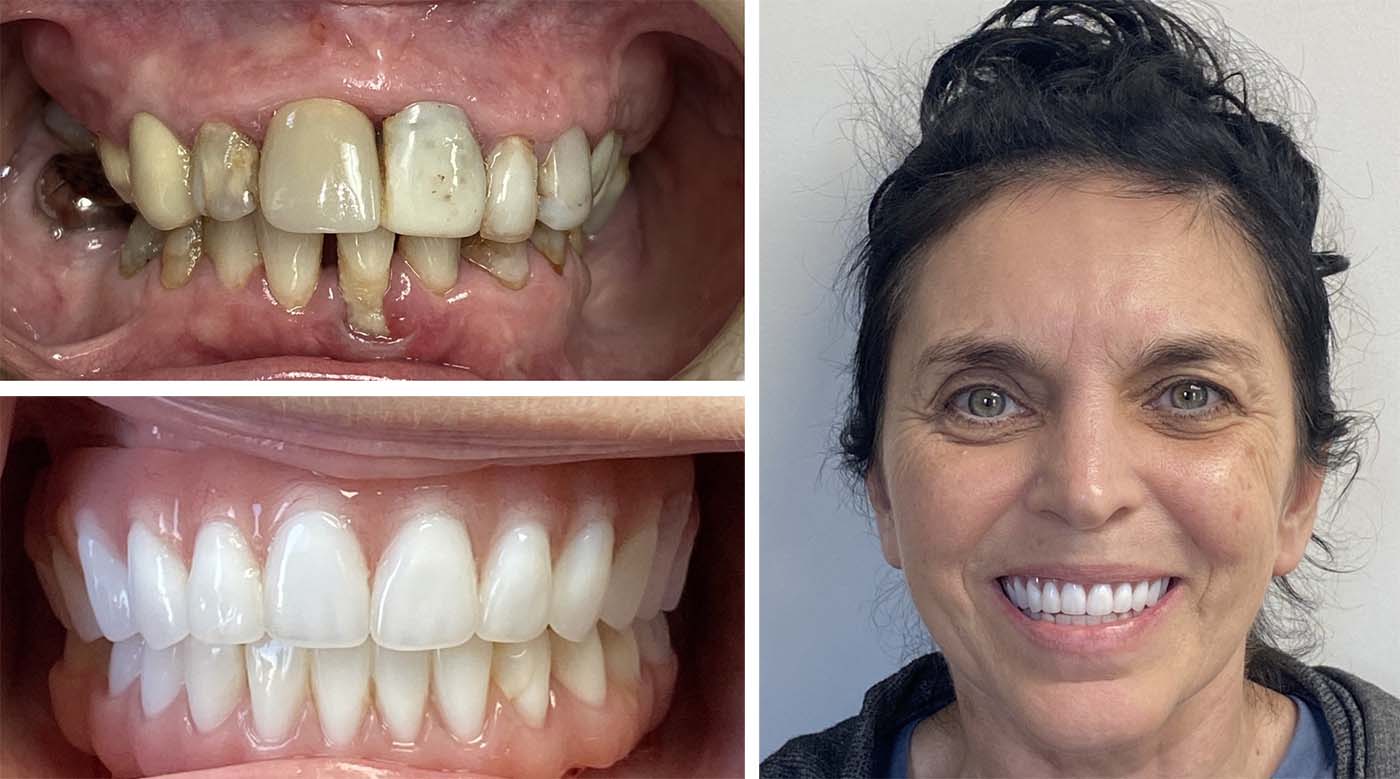
Choosing the right candidate for full arch implants requires understanding several personal, medical, and lifestyle factors because this advanced treatment demands stable oral health, strong bone support, and realistic expectations, helping both patients and clinicians achieve long-lasting results that feel natural and restore confidence in daily life.
What Defines a Strong Starting Point for Full Arch Implants?
A strong starting point begins with the patient’s overall oral condition because full arch implants require a healthy foundation. People seeking this treatment often struggle with widespread tooth loss or major dental damage. According to our editor’s research, patients benefit most when they have a clean oral environment with manageable gum issues. This stability allows implants to integrate properly and reduces complications. Many individuals assume that missing teeth alone qualify them for the procedure, yet the underlying gum tissue must also be stable. Dentists evaluate gum pockets, tissue thickness, and signs of inflammation before approving the patient. Healthy gums support long-term healing because they protect the surgical area. Patients with active infections may need preliminary treatments before moving forward. A stable oral environment provides confidence for both the clinician and the patient because it ensures that the foundation is strong enough for full arch support. This first step sets the tone for the entire process.
Why Bone Density Plays a Critical Role in Candidacy?
Bone density determines whether the jaw can support the implant posts because implants require stable anchorage. People with reduced bone density often fear they are not eligible, yet many can still receive treatment after proper evaluation. As a result of our editor’s reviews, bone scans help dentists assess thickness and density levels. When density is insufficient, supportive procedures like grafting can rebuild the jaw structure. This additional preparation strengthens the foundation and helps ensure long-term success. Strong bone density reduces the risk of implant movement because solid bone keeps the posts stable. Patients with long-term tooth loss often experience bone shrinkage, making proactive assessment essential. Dentists may also look at bone quality in addition to volume because the internal structure affects integration. Patients who maintain good bone levels usually experience smoother healing. This focus on stability forms a key part of determining candidacy because full arch systems rely heavily on strong support across the jaw.
How Age Influences the Evaluation Process?
Age influences candidacy, but not in the restrictive way many people assume. Adults of various ages can qualify for full arch implants because treatment depends more on health than age alone. According to our editor’s research, older adults often make excellent candidates when they maintain stable health conditions. Many patients in their 60s or 70s choose full arch implants because removable dentures no longer meet their lifestyle needs. Age becomes relevant only when health issues affect healing or bone strength. Younger adults with severe dental damage can also qualify because implants provide long-term stability. Dentists focus on maturity of bone development, systemic health, medication interactions, and tissue healing capacity. This broader perspective ensures that age becomes a factor in context rather than a barrier. Patients feel reassured when they learn that candidacy depends on realistic medical assessments rather than age limits. This inclusive approach encourages individuals to explore restoration options more confidently.
Why Systemic Health Conditions Matter in the Screening Process?
Systemic health affects healing time, infection risk, and long-term implant success. Conditions like diabetes, cardiovascular disease, or autoimmune disorders do not automatically rule out candidacy, yet they require careful coordination with healthcare providers. As a result of our editor’s reviews, patients with controlled chronic conditions often experience successful outcomes because their health remains stable. Dentists assess how these conditions influence recovery, bone integration, and medication use. Stability becomes the key determinant because uncontrolled health issues slow healing. Patients taking medications that affect bone metabolism may require additional evaluations. Providing accurate medical history improves safety and treatment planning. Clinicians may consult with physicians when needed to ensure the patient’s readiness. This teamwork helps avoid surprises during recovery. Systemic health screening protects the patient while shaping a realistic treatment plan because implants rely on predictable healing. Honest communication between patient and provider remains essential at every stage.
What Lifestyle Habits Influence Implant Success?
Lifestyle habits influence long-term implant stability because they affect healing and oral hygiene. Smoking remains one of the biggest concerns because it reduces blood flow and slows tissue recovery. According to our editor’s research, smokers can still qualify for implants, but they must understand the increased risks. Dentists often advise reducing or stopping smoking before and after the procedure. Oral hygiene habits also play a major role because implants require consistent care. Candidates must commit to regular brushing, professional cleanings, and checkups. Individuals with poor hygiene may face issues like inflammation that compromise stability. Alcohol use, stress levels, and nightly grinding habits also influence candidacy because they affect tissue health. Patients with strong daily routines support their implants more effectively. Lifestyle awareness encourages long-term success because implants depend on consistency beyond the surgery itself. This assessment helps patients understand the responsibilities involved in maintaining their new smile.
How Expectations Shape the Candidacy Decision?
Expectations guide treatment satisfaction because full arch implants provide life-changing results when patients understand the process realistically. As a result of our editor’s reviews, patients often arrive with hopes shaped by advertisements or second-hand stories. Setting realistic expectations helps prevent disappointment. Full arch implants restore function, comfort, and appearance, but they require healing time and adaptation. Patients should expect temporary adjustments during the early stages because the mouth adapts gradually. Understanding timelines improves cooperation and reduces stress. Dentists evaluate whether the patient appreciates the long-term commitment required. Candidates who understand the steps involved—from surgery to integration—experience smoother journeys. People who seek instant perfection may need guidance about realistic outcomes. This expectation management strengthens trust and supports better decision-making. Realistic goals ensure higher satisfaction because patients appreciate improvements more fully.
Why Oral Hygiene History Helps Determine Readiness?
Oral hygiene history provides insight into how patients will care for implants after treatment. Implants require consistent cleaning to prevent inflammation. According to our editor’s research, dentists evaluate previous dental behaviors to anticipate future habits. Patients with strong hygiene routines typically adapt well to implant care. Those with inconsistent habits may need coaching before proceeding. This preparation helps ensure the patient understands how to clean around the arch, especially in difficult-to-reach areas. The goal is to build habits that protect the implants long-term. Oral hygiene matters because failing to clean implants properly can lead to inflammation that threatens stability. Dentists may provide tailored guidance based on previous patterns. This evaluation helps form a strong maintenance plan. A patient who demonstrates commitment becomes an excellent candidate because long-term success depends heavily on daily care.
How Dental History Affects Treatment Planning?
Dental history reveals patterns that influence implant success because past conditions affect current readiness. People with a history of gum disease may require additional treatments before implantation. As a result of our editor’s reviews, dentists check for previous bone infections, extractions, or complicated restorations. These factors help shape a safe, personalized treatment plan. Patients with severe past damage often benefit the most from full arch systems because they replace failing structures with stable support. However, dentists must confirm that the underlying bone has healed and stabilized. Previous dental trauma may also change the placement approach. Understanding dental history helps clinicians avoid complications during the surgical process. This careful examination leads to a smoother experience because risks are identified early. Patients appreciate this transparency because it builds confidence in the plan. A thorough history ensures that the chosen approach matches the patient’s unique needs.
Why Psychological Readiness Supports Strong Outcomes?
Psychological readiness influences recovery because full arch implant treatment requires emotional resilience. Many patients feel mixed emotions before surgery, including excitement and anxiety. According to our editor’s research, individuals who understand the temporary challenges feel more prepared. Emotional stability helps patients maintain motivation through healing. People who struggle with dental fear may need extra support to stay consistent with checkups. Psychological readiness also ensures that patients understand the level of commitment required. Full arch implants demand patience during integration because the body needs time to adapt. Candidates must be comfortable with multiple appointments and follow-up visits. A positive mindset encourages smoother adaptation because confidence reduces stress. This emotional strength helps patients manage discomfort and stay consistent with instructions. Dentists evaluate psychological readiness not as a barrier but as an important part of long-term success.
What Makes Someone an Ideal Candidate for Full Arch Implants?
An ideal candidate blends stable health, strong bone structure, realistic expectations, and a commitment to long-term care. These individuals maintain good oral hygiene and understand the responsibilities that come with implants. According to our editor’s research, successful candidates also show emotional readiness and consistent lifestyle habits. People who meet these criteria enjoy reliable outcomes because they approach treatment with clarity. An ideal candidate also communicates openly about concerns because transparent dialogue improves planning. These combined factors create a stable path toward a functional and confident smile. Full arch implants work best when patients engage actively in their care, follow instructions, and maintain supportive habits. This combination ensures that both patient and clinician work together toward long-term success.