
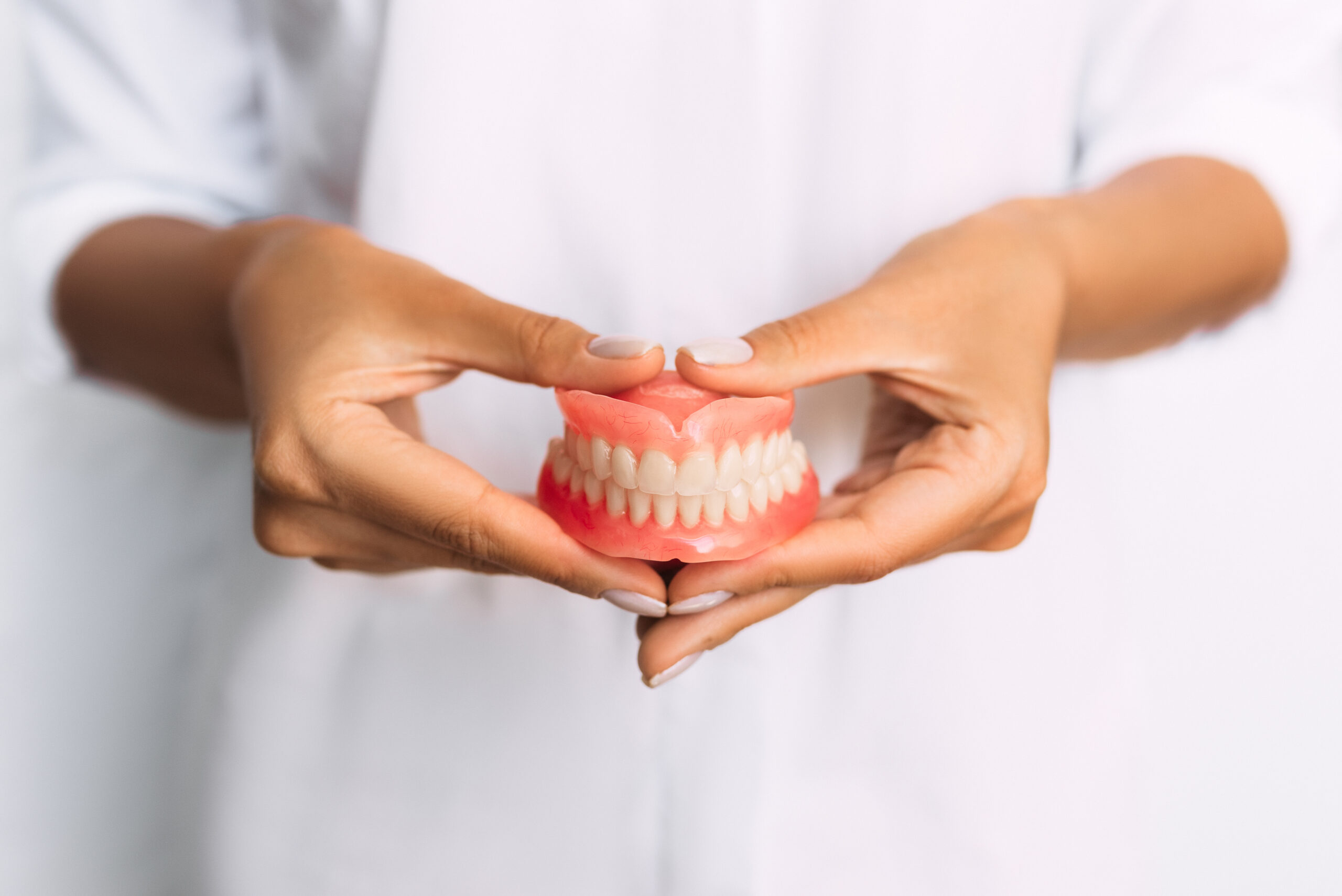
Getting new dentures marks a meaningful change, both physically and emotionally. Many people expect instant comfort, yet the adjustment period often surprises them. Sensations feel different, speech may sound unusual, and eating requires patience. These reactions are normal and temporary. Understanding what lies ahead makes the transition smoother.
Why new dentures feel strange at first
New dentures introduce a foreign structure into the mouth. The tongue, cheeks, and gums need time to adapt. According to our editor’s research, the brain also needs repetition to reestablish familiar patterns. Initial tightness or looseness can occur. This stage reflects adaptation, not failure.
How long the adjustment period usually lasts
Adjustment timelines vary from person to person. Some adapt within weeks, others take longer. As a result of our editor’s reviews, most people notice steady improvement over the first two months. Daily use accelerates familiarity. Consistency matters more than speed.
What sensations are considered normal
Mild soreness, pressure points, and increased saliva are common. These sensations usually fade gradually. According to our editor’s research, saliva production increases because the mouth senses a new object. This response settles naturally. Patience helps during this phase.
How speech patterns may temporarily change
Dentures can alter airflow and tongue placement. Certain words may sound different initially. As a result of our editor’s observations, reading aloud speeds speech adaptation. Practice retrains muscle coordination. Confidence returns with repetition.
Why eating feels challenging at first
Chewing with dentures requires new muscle control. Bite force distribution changes. According to our editor’s research, starting with soft foods reduces frustration. Small bites improve stability. Gradual progression builds confidence.
How to manage sore spots
Sore areas often signal pressure imbalance. Dentists can adjust dentures to relieve discomfort. As a result of our editor’s reviews, ignoring pain slows adaptation. Early adjustments improve fit. Communication with providers matters.
Why wearing dentures daily is important
Consistent wear helps muscles and tissues adapt. Removing dentures frequently delays progress. According to our editor’s research, daily use supports faster neuromuscular adjustment. Short breaks are fine. Balance supports comfort.
How confidence affects the adjustment process
Emotional responses influence physical adaptation. Self awareness may feel heightened. As a result of our editor’s observations, confidence grows with familiarity. Social interaction accelerates comfort. Avoiding isolation helps.
What to expect with gum sensitivity
Gums may feel tender during early use. This sensitivity usually decreases. According to our editor’s research, tissues toughen gradually. Proper hygiene supports healing. Gentle care prevents irritation.
Why saliva changes happen
Saliva flow often increases initially. The mouth interprets dentures as food. As a result of our editor’s reviews, this response normalizes within weeks. Swallowing regularly helps manage it. Hydration supports balance.
How to practice chewing effectively
Chew evenly on both sides. This prevents tipping. According to our editor’s research, slow chewing improves control. Avoid sticky foods early on. Technique matters more than strength.
What role facial muscles play
Facial muscles support denture stability. They learn new coordination patterns. As a result of our editor’s observations, smiling and speaking exercises help adaptation. Muscles respond to repetition. Engagement improves control.
Why regular follow up visits matter
Dentures rarely fit perfectly without adjustments. Follow ups refine comfort. According to our editor’s research, minor corrections prevent long term issues. Early visits save discomfort later. Ongoing care ensures success.
How to clean dentures properly
Cleaning prevents irritation and odor. Gentle brushing removes debris. As a result of our editor’s reviews, harsh products damage materials. Consistent hygiene protects gums. Cleanliness supports comfort.
What to know about denture adhesives
Adhesives may help during early stages. They provide temporary stability. According to our editor’s research, reliance should decrease over time. Proper fit reduces need. Use guidance from professionals.
Why patience matters more than perfection
Expecting immediate perfection increases frustration. Adaptation is gradual. As a result of our editor’s observations, patience improves outcomes. Progress may feel subtle daily. Trust the process.
How sleep routines may change
Some people remove dentures at night. Others wear them initially. According to our editor’s research, recommendations vary by case. Follow professional advice. Rest supports tissue recovery.
What emotional reactions are common
Adjustment includes emotional shifts. Relief, doubt, and optimism may alternate. As a result of our editor’s reviews, acknowledging emotions eases transition. Support systems help. Normalizing feelings reduces stress.
Why comparing experiences can mislead
Each mouth adapts differently. Comparing timelines creates unnecessary worry. According to our editor’s research, personal progress matters most. Focus inward. Individual pacing ensures comfort.
How posture influences denture comfort
Head and jaw posture affect alignment. Slouching may alter fit. As a result of our editor’s observations, mindful posture improves stability. Awareness enhances control. Small changes matter.
What foods support early adjustment
Soft, nutritious foods ease chewing practice. Gradual texture changes help. According to our editor’s research, balanced nutrition supports healing. Avoid extremes early. Gentle progression builds confidence.
Why dry mouth should be addressed
Dry mouth increases friction and discomfort. Hydration helps maintain balance. As a result of our editor’s reviews, saliva substitutes may assist. Addressing dryness improves comfort. Speak to providers.
How social situations feel at first
Public eating or speaking may feel awkward. This discomfort fades. According to our editor’s research, gradual exposure rebuilds confidence. Familiar settings help first. Comfort grows with experience.
What signs suggest adjustments are needed
Persistent pain, slipping, or sores indicate fit issues. These signs should not be ignored. As a result of our editor’s observations, timely adjustments prevent complications. Early action improves outcomes.
Why routine matters during adjustment
Routine builds familiarity. Eating, speaking, and cleaning at set times helps. According to our editor’s research, habits support adaptation. Predictability reduces stress. Structure fosters comfort.
How to handle temporary frustration
Frustration is part of adaptation. Acknowledging it helps. As a result of our editor’s reviews, realistic expectations reduce disappointment. Small improvements signal progress. Stay patient.
What long term comfort looks like
Eventually dentures feel natural. Awareness fades during daily activities. According to our editor’s research, successful adjustment restores normalcy. Confidence returns fully. Comfort becomes routine.
Why communication with providers matters
Open dialogue ensures proper care. Concerns guide adjustments. As a result of our editor’s observations, informed patients adapt better. Questions improve outcomes. Collaboration supports success.
How habits evolve over time
Early conscious actions become automatic. Muscle memory develops. According to our editor’s research, adaptation becomes effortless eventually. Consistency leads to ease. Time completes the process.
What to remember during adjustment
Adjustment is a journey, not a test. Progress varies daily. As a result of our editor’s reviews, persistence yields comfort. Small wins accumulate. Trust your adaptation.
Learning to live comfortably with new dentures takes patience, consistency, and understanding, but gradual adaptation restores confidence, function, and daily ease with steady progress over time. For more detailed information, you may wish to visit the websites of official institutions and organizations.