
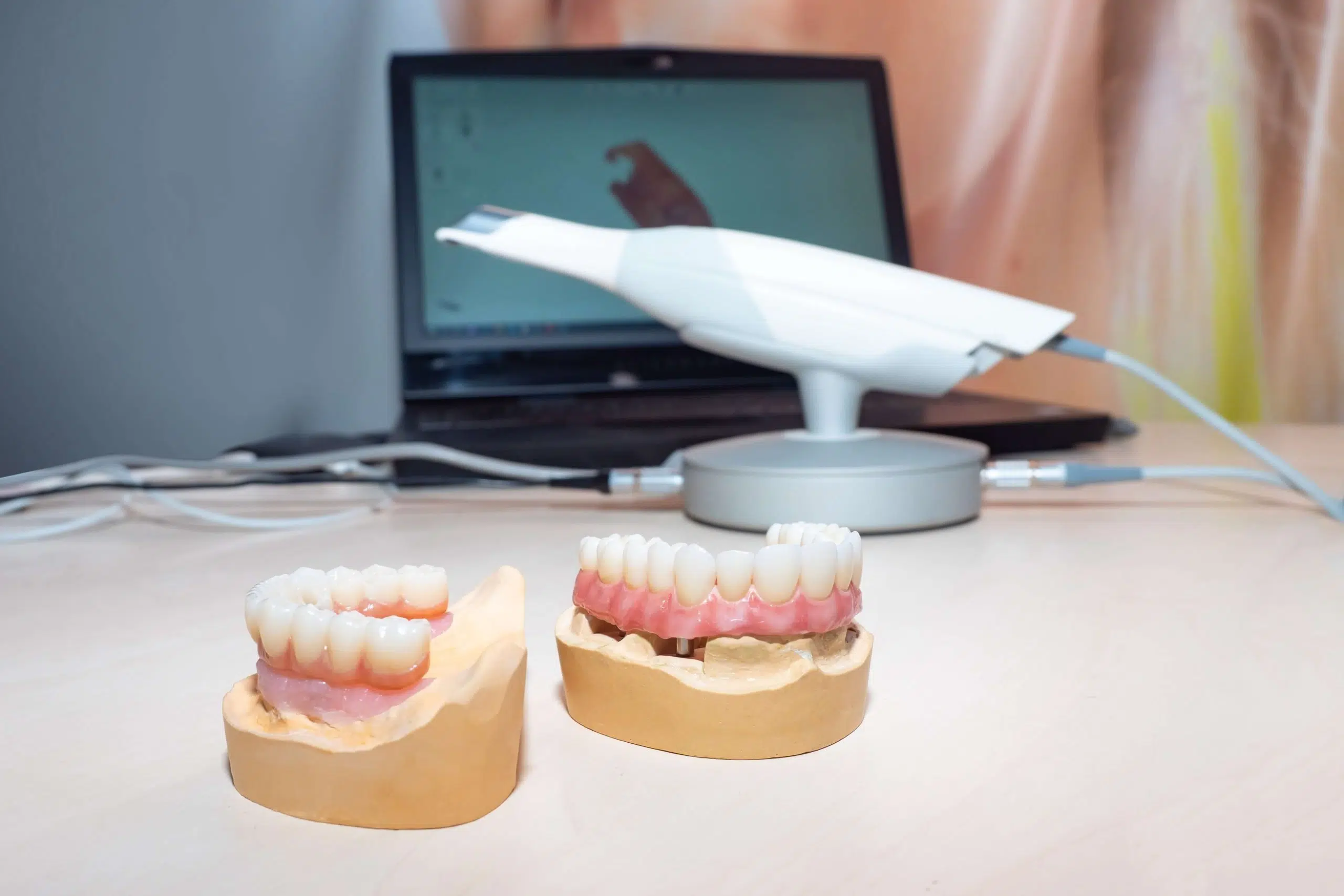
Digital innovation now shapes prosthetic dentistry by improving precision, enhancing comfort, reducing treatment times, and offering patients reliable solutions that align better with natural function and long-term oral health needs.
How is digital scanning changing treatment?
Digital scanning transformed prosthetic dentistry because it removes the discomfort of traditional impressions and provides highly precise images of the teeth. Many patients feel more relaxed during scanning because the process is quicker and easier. According to our editor’s research, digital scanners capture details that traditional methods sometimes miss. These details help dentists design restorations that fit more accurately. Digital scans also reduce the need for repeated appointments because the initial images are usually clear the first time. This improvement helps both patients and clinicians because the workflow becomes smoother. When accuracy increases, treatment outcomes become more predictable.
Why does CAD software improve prosthetic design?
CAD software reshaped prosthetic planning because it allows dentists to design restorations with remarkable accuracy. The software creates three-dimensional models that display every contour clearly. These models help dentists understand how a crown or bridge will function before fabrication begins. As a result of our editor’s reviews, digital design tools reduce common fitting problems that once delayed procedures. CAD systems also allow small adjustments that match the patient’s bite pattern more naturally. This flexibility improves comfort because the prosthetic aligns better with existing anatomy. Digital design enhances creativity and precision without making the process complicated for patients.
How do milling machines support better results?
Milling machines produce restorations from strong, durable materials that maintain stability over time. The machines carve the design created by CAD software into a precise final form. Many clinics adopted milling technology because it offers efficiency and reliable consistency. According to our editor’s research, milled restorations match the designed shape with high accuracy. This alignment reduces the need for manual refinements. The controlled process also lowers the risk of material flaws. Milled prosthetics often last longer because the structure remains stable even under stress. This progress represents a major shift from older fabrication methods.
What makes 3D printing valuable in prosthetics?
3D printing expanded the possibilities in prosthetic dentistry because it allows the creation of lightweight and highly customized structures. Printers build each layer carefully, producing shapes that were once difficult to fabricate. As a result of our editor’s reviews, 3D printing is especially useful for temporary restorations because it speeds up the workflow. The printed pieces fit comfortably and help patients function while waiting for their permanent solution. The technology also assists in surgical planning by producing accurate models of the patient’s anatomy. These models improve communication and reduce uncertainty. 3D printing brings creativity and practicality into modern prosthetic care.
How is AI guiding prosthetic dentistry?
AI tools analyze oral data to help dentists predict treatment outcomes and identify potential issues earlier. Many clinics use AI to review scans, evaluate bite patterns, and highlight irregularities. According to our editor’s research, AI improves planning by comparing patient data with large reference groups. This comparison helps clinicians create more personalized designs. AI also speeds up decision-making because the system processes details quickly. Although AI does not replace clinical judgment, it supports safer and smoother care. These tools also help monitor progress over time, offering helpful insights into long-term oral function. AI enhances prosthetic dentistry by adding precision and confidence.
Why does digital workflow improve patient comfort?
Digital workflow reduces the number of physical impressions, fittings, and adjustments that patients previously experienced. Many people appreciate the smoother process because each step feels more comfortable. As a result of our editor’s reviews, digital systems minimize chair time because designs and measurements flow directly from one step to the next. The integration also reduces human error because data transfers automatically. Patients benefit from fewer repeat visits and shorter sessions. The streamlined approach supports calm and predictable care. This comfort encourages patients to complete treatment without hesitation.
How do new materials improve durability?
Modern prosthetic materials are stronger and more natural-looking than older options. Zirconia and high-strength ceramics resist fractures while maintaining a smooth and polished appearance. Many patients prefer these materials because they mimic natural enamel. According to our editor’s research, new materials also resist staining better than previous generations. This improvement helps maintain a long-lasting aesthetic result. Stronger materials also provide reliable support for chewing and speaking. Dentists value materials that blend beauty with durability because they improve patient satisfaction. New material science continues to push prosthetic dentistry forward.
Why do digital bite systems matter for accuracy?
Digital bite systems record how the upper and lower teeth meet, which guides prosthetic planning. Traditional bite recording sometimes caused errors because small shifts affected the final design. Digital systems capture this information with greater precision. As a result of our editor’s reviews, digital bite recordings reduce common fitting problems and enhance comfort. These systems help dentists understand movement patterns and pressure points. When the bite is recorded accurately, the prosthetic feels more natural. This accuracy protects surrounding teeth from unnecessary stress. Digital bite tools support long-term stability.
How does virtual treatment planning support dentists?
Virtual planning allows clinicians to simulate procedures before they begin, which improves decision-making. Dentists can evaluate angles, spacing, and structural needs using three-dimensional views. According to our editor’s research, virtual planning reduces uncertainty and improves communication with dental laboratories. The shared digital environment helps refine designs and prevents misunderstandings. Patients also benefit because they can visualize the expected outcome in advance. Virtual planning builds trust and improves predictability. These simulations make the entire process more transparent and approachable.
What does the future of prosthetic dentistry look like?
The future promises even greater personalization because technology continues to evolve rapidly. AI will likely become more integrated with daily workflows, guiding clinicians toward the best choices. As a result of our editor’s reviews, emerging tools will focus on faster fabrication, improved comfort, and more natural results. Wearable sensors may monitor oral function, guiding adjustments over time. New materials will become lighter and stronger. Digital systems will enhance accuracy even further. Each advancement aims to make prosthetic dentistry more efficient and patient-focused. The field will continue moving toward personalized and reliable care.